This guide breaks down everything you need to know about AOD 9604 and semaglutide, placing them side by side across every category that matters: mechanism, clinical evidence, safety, dosing, cost, and practical use
Investigation of the secondary structures by circular-dichroism spectroscopy confirmed -helical contents of approximately 46.5% for all three peptides in the presence of a helicogenic solvent
Both share similar research applications
The process involves several critical steps: Sterile Environment Setup : All reconstitution should occur in a clean, controlled environment using sterile techniques Bacteriostatic Water Addition : Slowly add 2-3mL of bacteriostatic water to the peptide vial Gentle Mixing : Allow natural dissolution without aggressive shaking Concentration Calculation : Final concentration will be 4-6mg/mL depending on water volume used Research facilities often maintain detailed protocols for peptide blend preparation to ensure consistency across studies

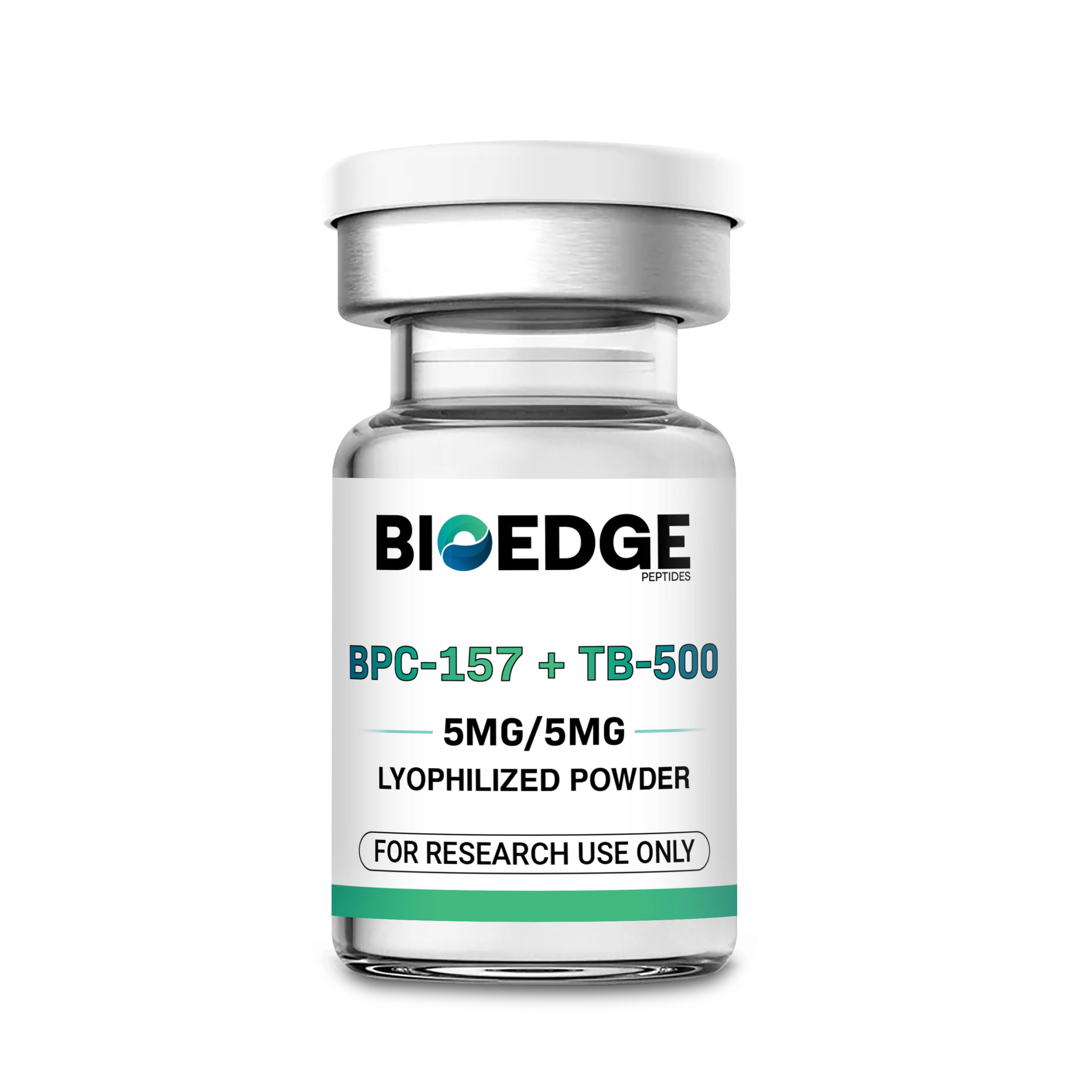
Propiedades qumicas Pureza: 99 % (probado por HPLC) Forma: polvo liofilizado Contenido: 5 mg BPC-157 + 5 mg TB-500 Secuencias: BPC-157: Gly-Glu-Pro-Pro-Pro-Gly-Lys-Pro-Ala-Asp-Asp-Ala-Gly-Leu-Val TB-500: Ac-Ser-Asp-Lys-Pro-Asp-Met-Ala-Glu-Ile-Glu-Lys-Phe-Asp-Lys-Ser-Lys-Leu-Lys-Lys-Thr-Glu-Thr-Gln-Glu-Lys-Asn-Pro-Asn-Lys Solubilidad: soluble en agua tras la reconstitucin Relevancia para la investigacin En estudios preclnicos, el BPC-157 / TB-500 Blend se utiliza para investigar interacciones peptdicas sinrgicas, especialmente en relacin con la adhesin celular, la formacin de matriz y la sealizacin molecular